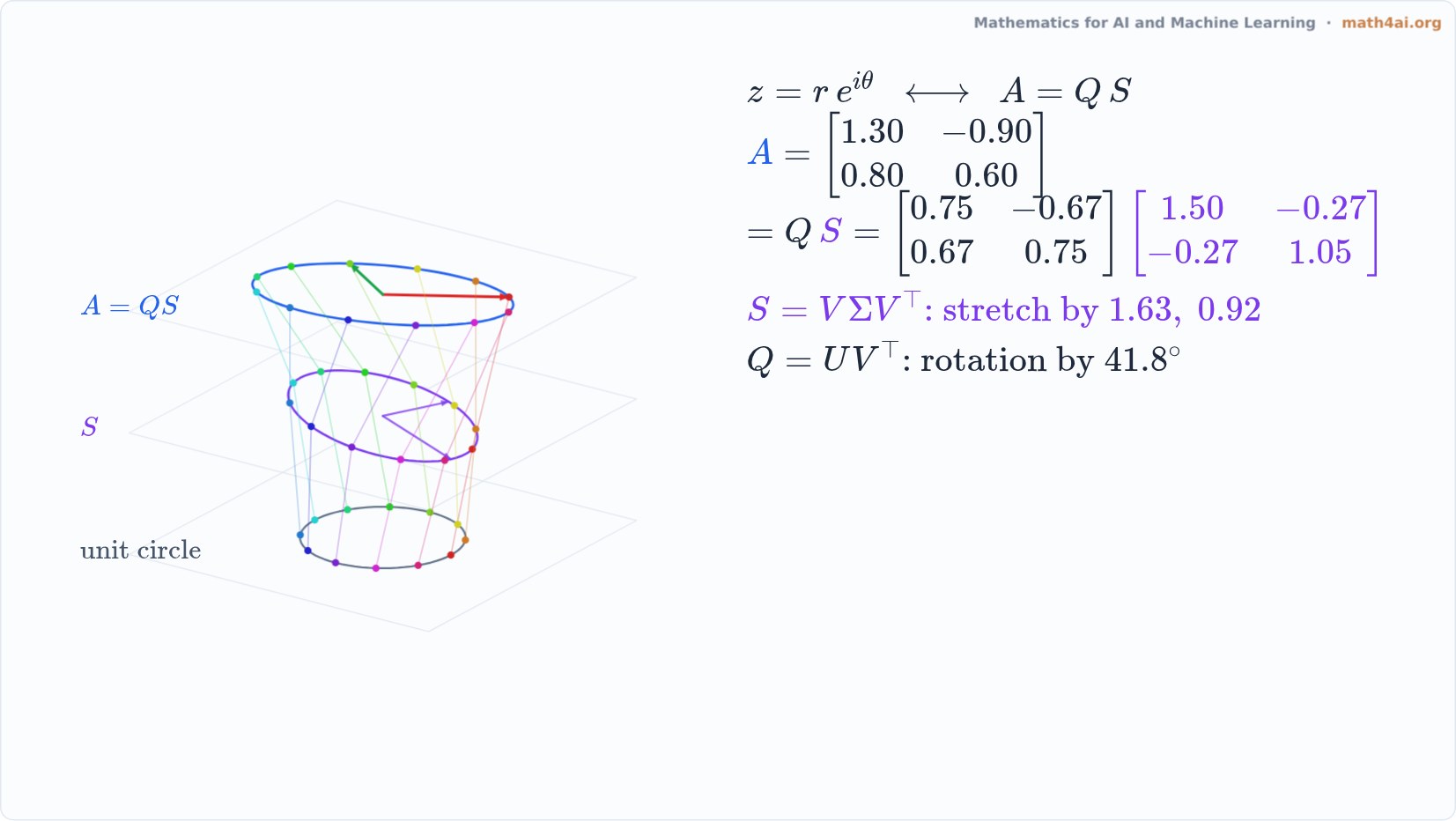
Polar Decomposition: Stretch, then Rotate
An interactive live film: three layers show the unit circle, its stretch by S = V Sigma V^T, and the rigid turn by Q = U V^T that gives A. Drag A's columns until Q is the identity.
Narration
A complex number is a length times a turn, r times e to the i theta. Every square matrix has the same kind of factorization: A equals Q times S.
The bottom layer is the unit circle, with colored points on it. The top layer is what A does to them: an ellipse, with every point moved somewhere new.
The rest of the narration is in the book's Companion.
More from Chapter 8
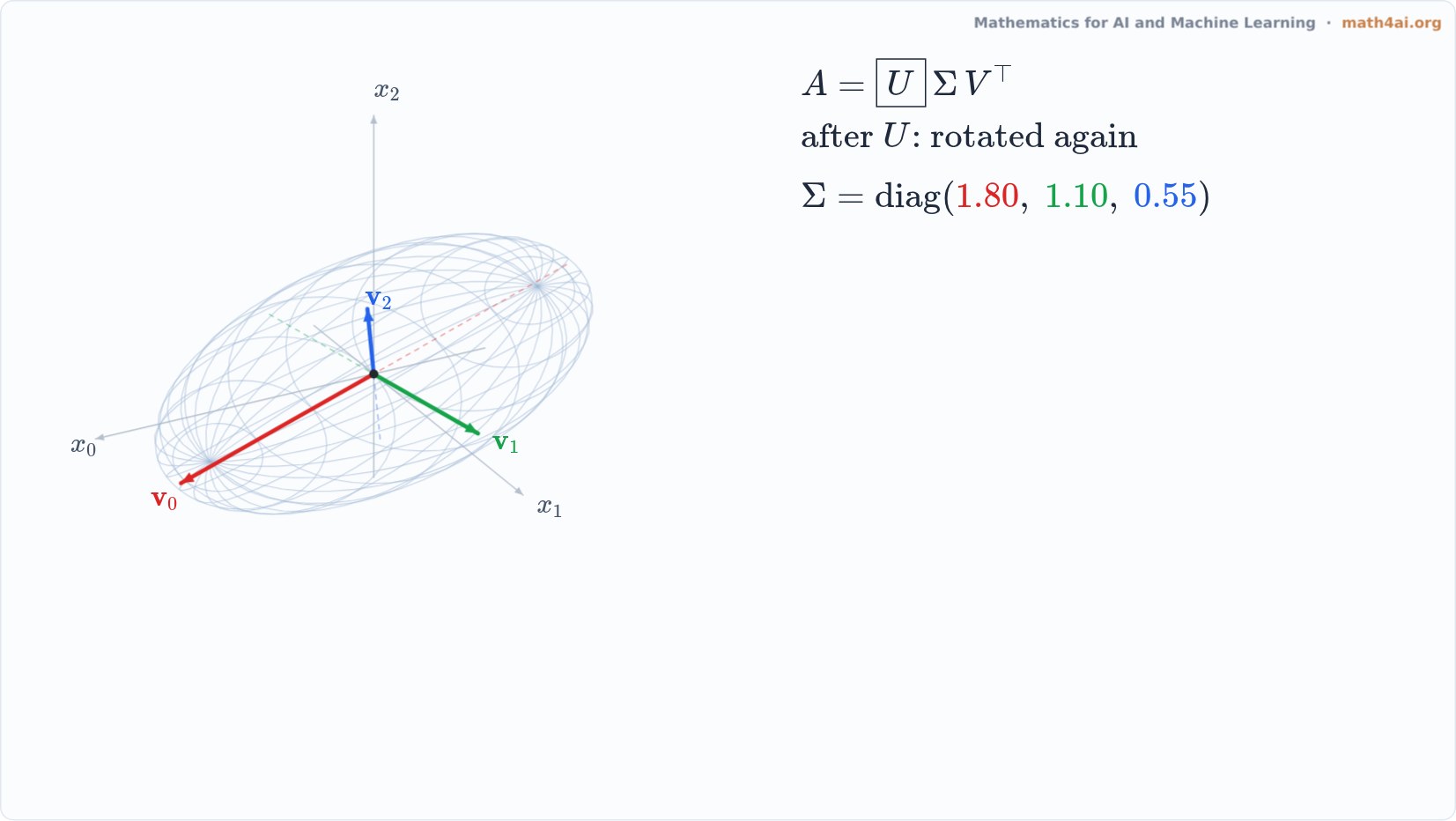 Interactive1:49SVD: Rotate, Stretch, RotateChapter 8
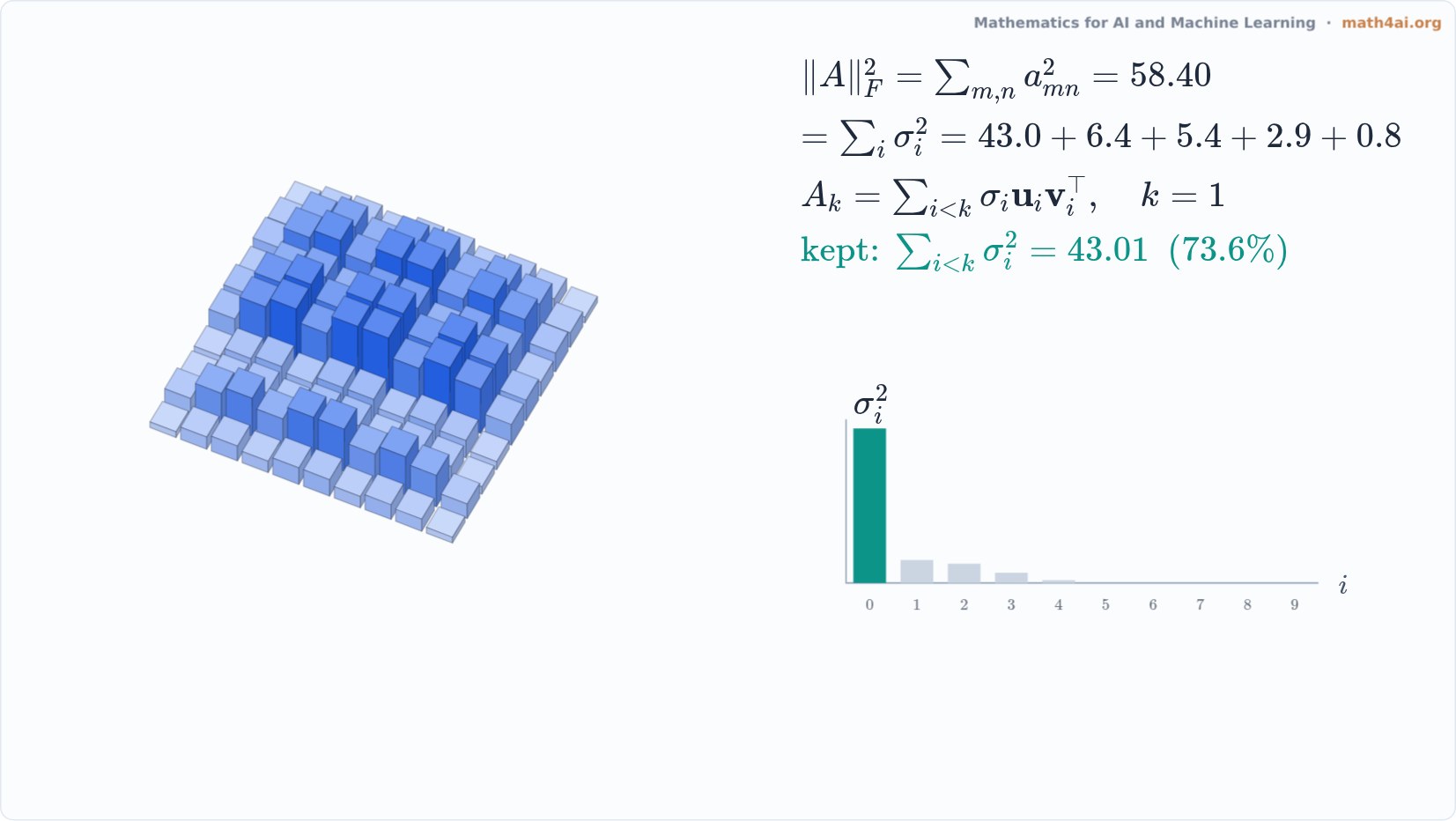 Preview1:31Energy from Singular Values: Rebuild a Picture Layer by LayerChapter 8
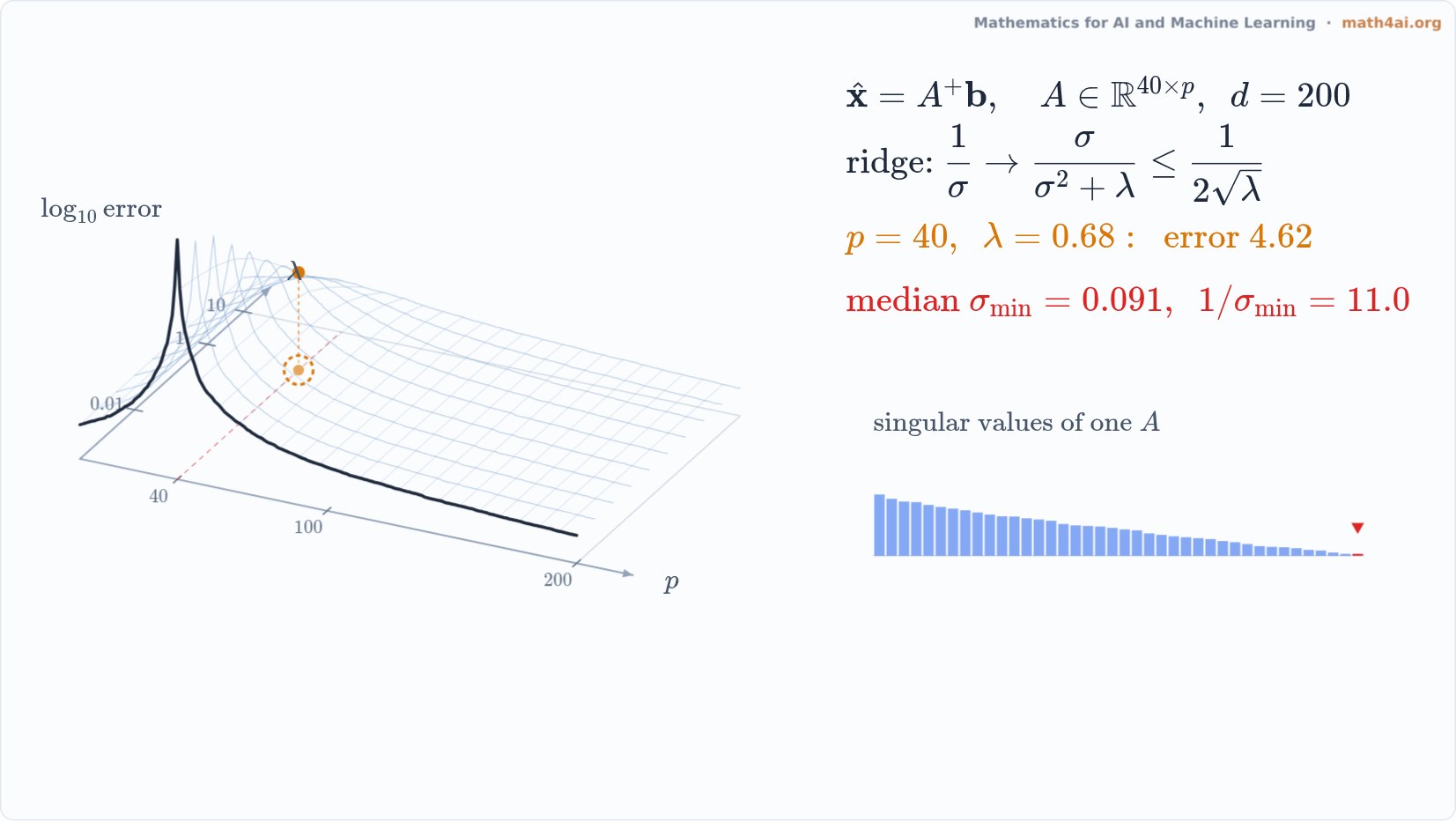 Preview1:33Double Descent at the Interpolation ThresholdChapter 8
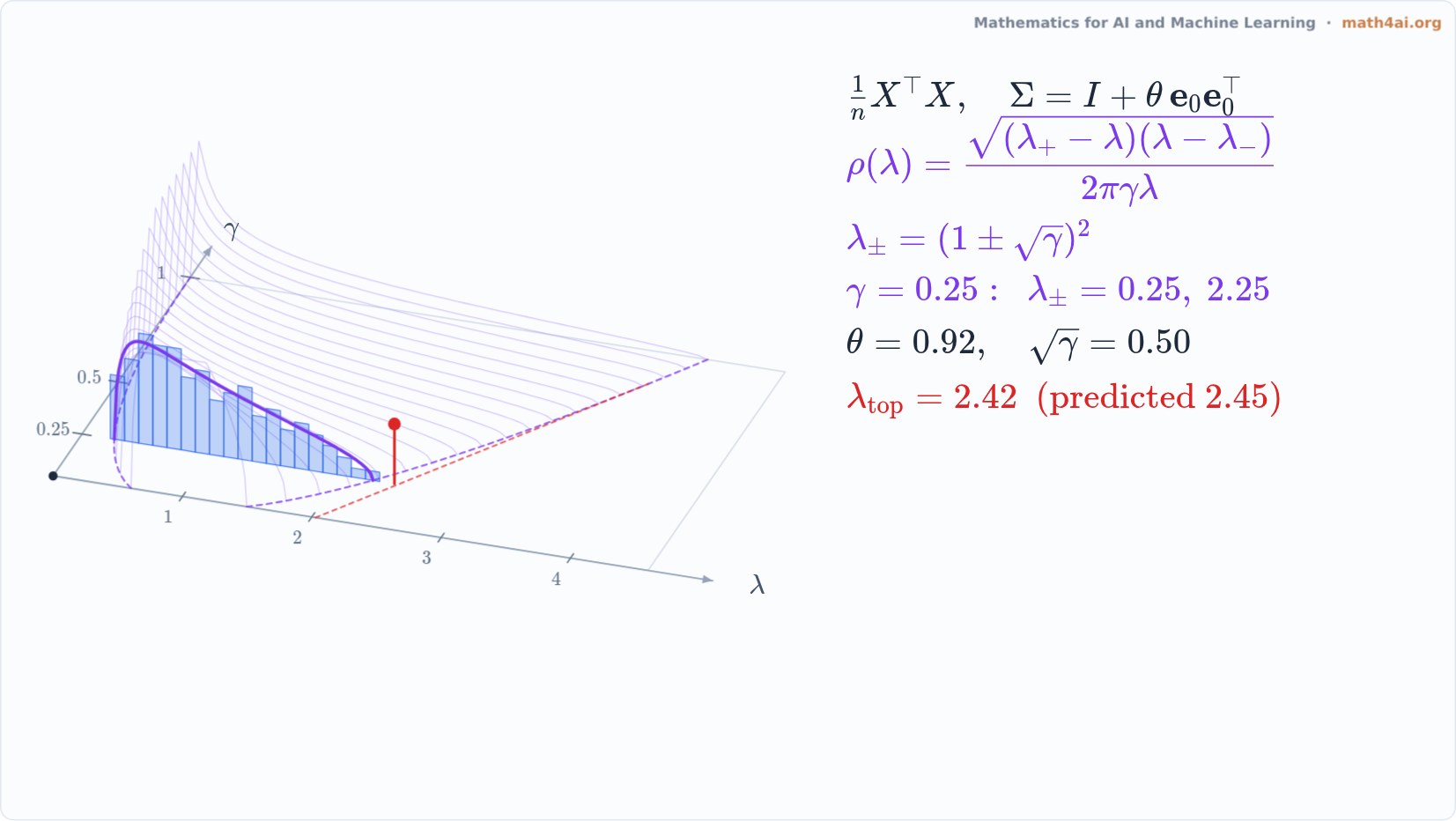 Preview1:32The Marchenko-Pastur Law and the Escaping EigenvalueChapter 8
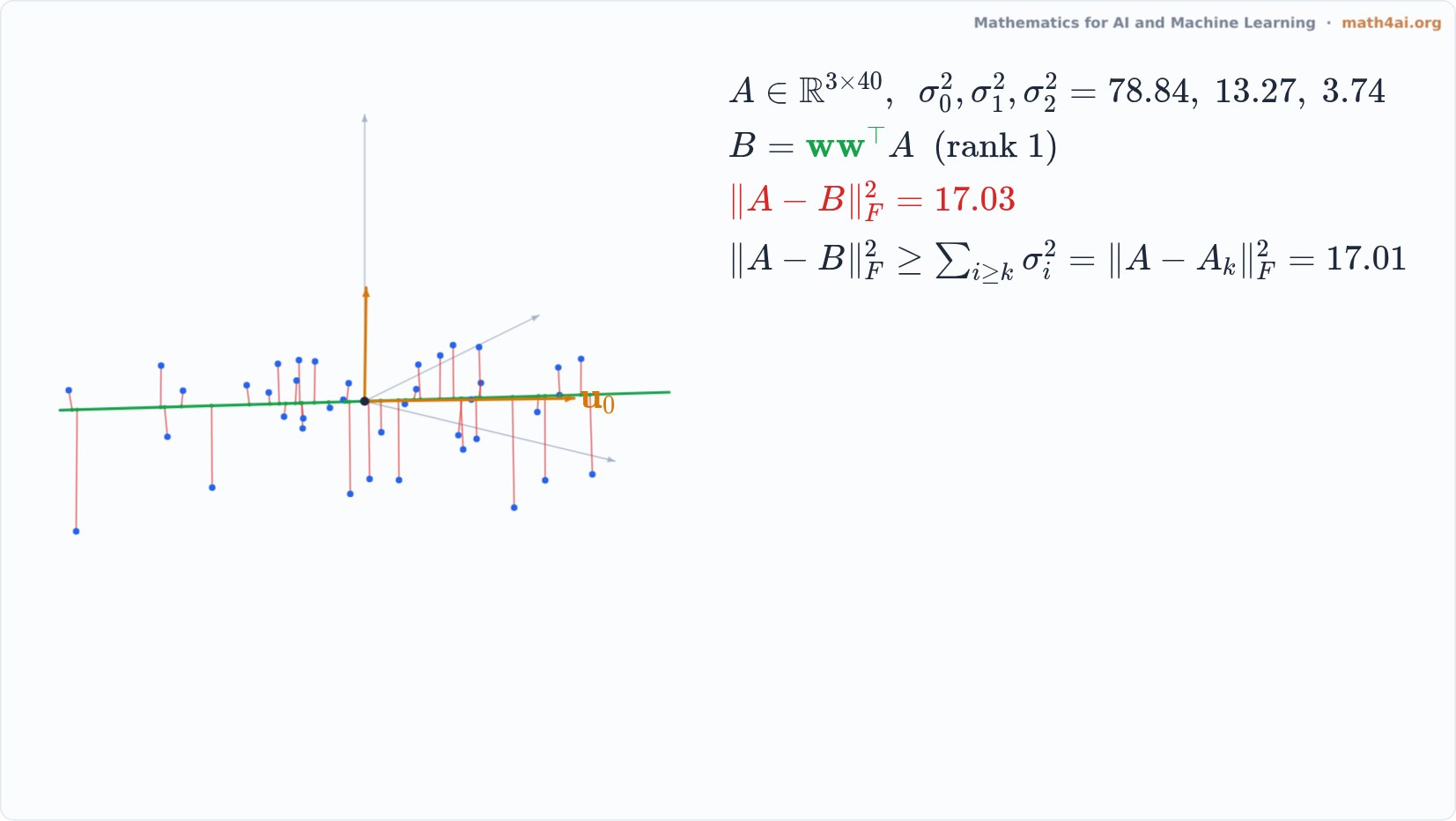 Preview1:43Eckart-Young: the Best Low-Rank ApproximationChapter 8
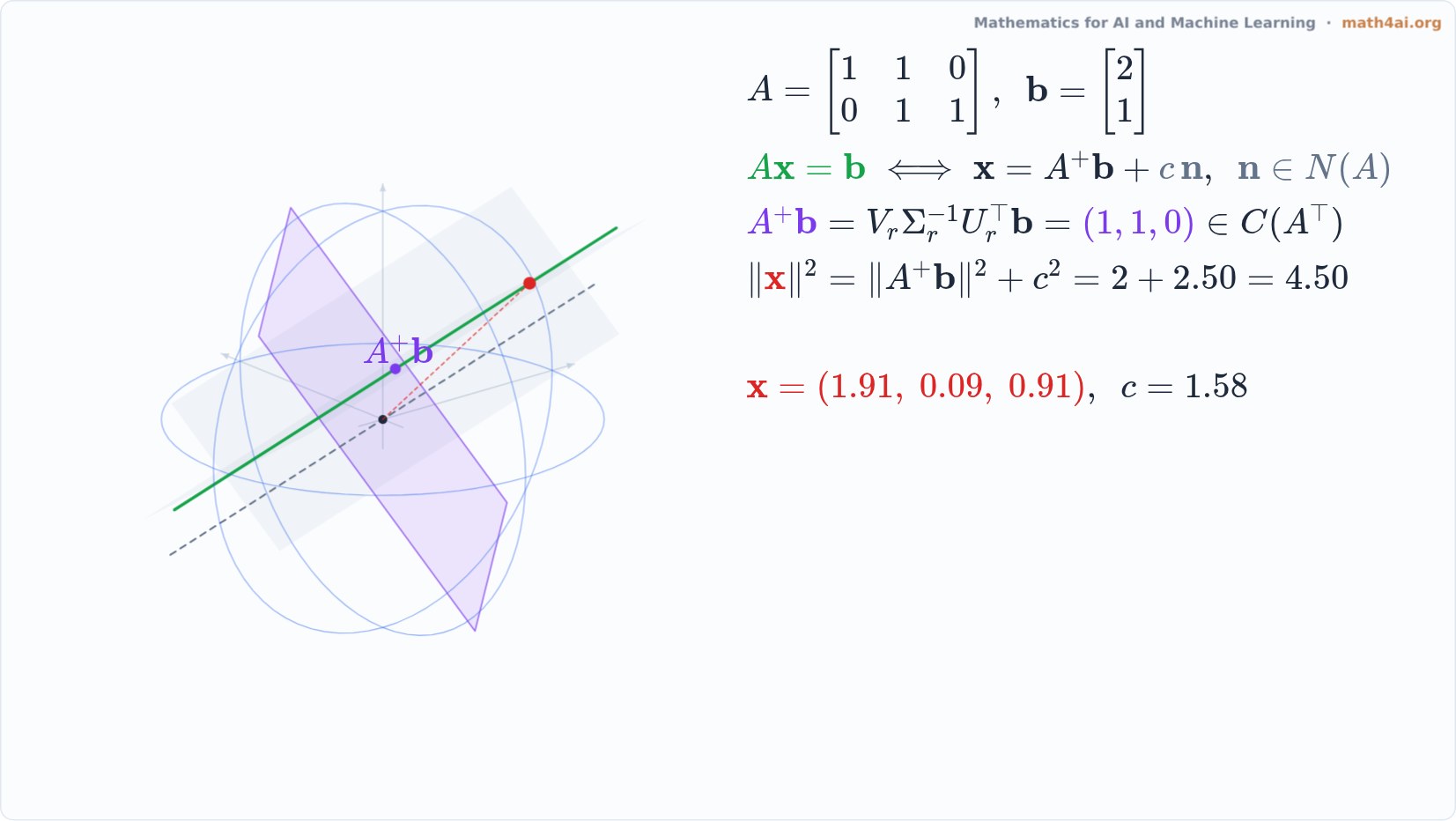 Preview1:46The Pseudoinverse: the Shortest SolutionChapter 8
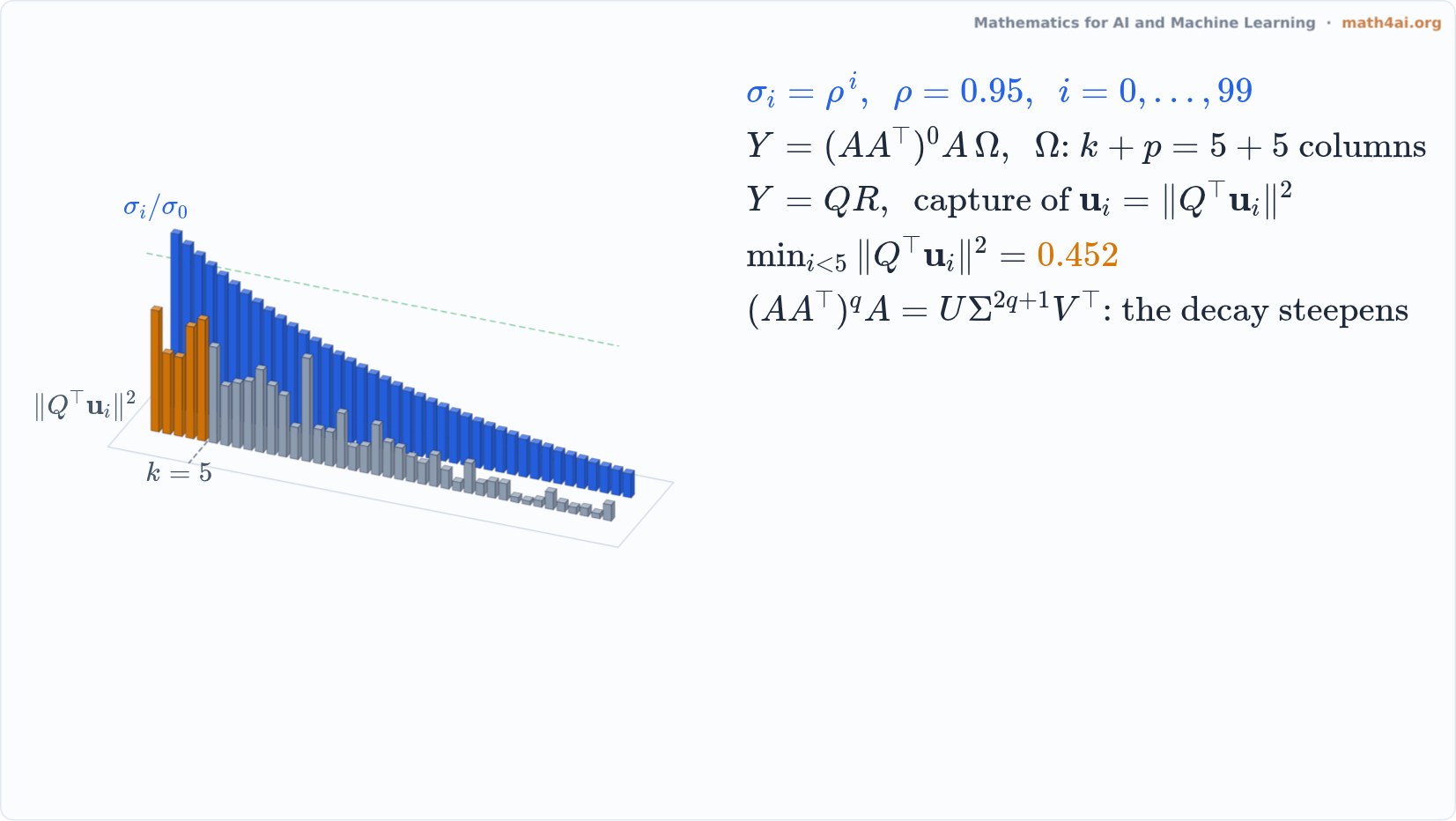 Preview1:47Randomized SVD: Catching the Top DirectionsChapter 8